



Labels
Bottles from Bordeaux
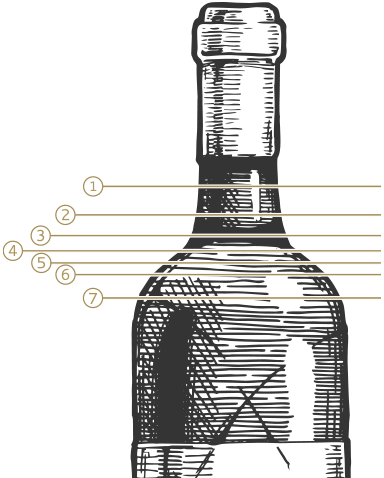
The terms below are indicative of the fill levels:


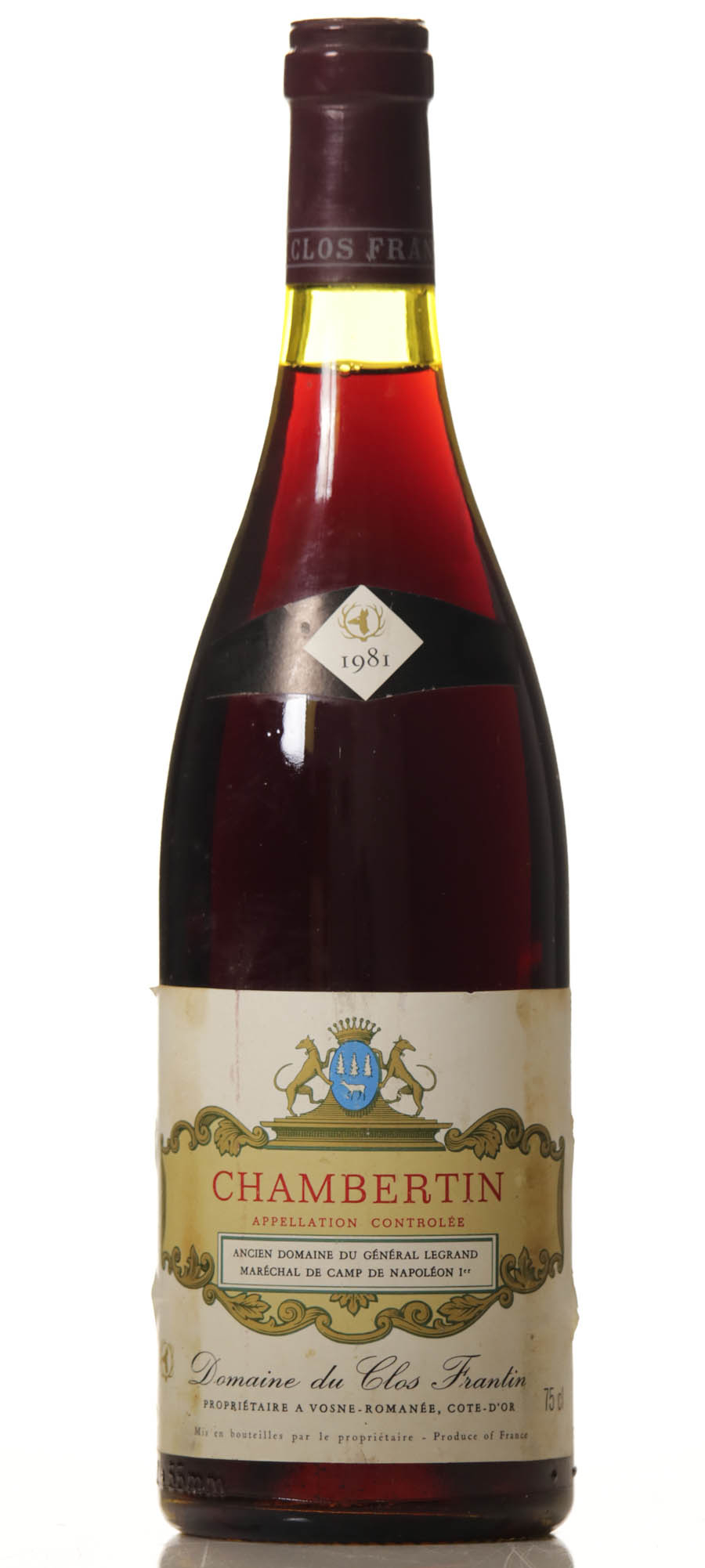
Chambertin 1981 Domaine du Clos Frantin – Albert Bichot
En rupture de stock
Prévenez-moi dès que ce vin sera de nouveau disponible
Caractéristiques
| Country | |
|---|---|
| Region | |
| Sub Region | |
| Bottling | Estate Bottled |
| Type of Wine | Red wine |
| Vintage | |
| Bottle size | 0.75 L |
| Packaging | Loose |
| Rating Scale | – |
| Rating | – |
| Reviewer | – |
Label |
ssl |
| Capsule | good condition |
| Level |
bn |
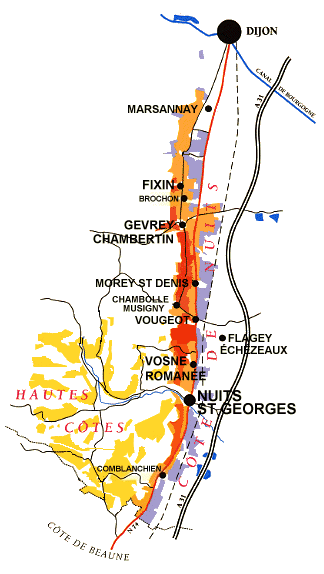
Le Chambertin is the most important grand cru vineyard in Gevrey-Chambertin, one of the northernmost wine villages in Burgundy’s Côte de Nuits. The vineyard produces exclusively red wines made from Pinot Noir, which rank among the world’s very finest. Napoleon famously drank Chambertin wine, even during his military campaigns abroad. He consumed it daily, diluted with water, from bottles embossed with the letter N. Classic Chambertin wine has a rich ruby color (fading to brick-red with age) and a deeply perfumed nose of plums, red cherries, earth and sweet spice.
The name Chambertin originally applied to a much larger area than it does today. The core of this original site now forms the modern 13.5 hectare (37 acre) Le Chambertin vineyard, although it once included the neighboring Clos-de-Bèze climat (wines from which can also be labeled Chambertin) and parts of several other vineyards.
Such was the prestige of the wines from this ancient vineyard that in 1847 the parish council voted to append the site’s name to that of the village, which was then known simply as Gevrey. Seven vineyards including the 29 hectare (73 acre) Charmes-Chambertin have also taken the name as suffix, and in 1937 were awarded grand cru status alongside Chambertin. The nine grand cru vineyards of Gevrey-Chambertin together form an approximate rectangle measuring 2 kilometers by 500 meters (1.2 miles by 550 yards). Clos Saint-Jacques, a premier cru vineyard widely regarded as one of the best sites in Gevrey-Chambertin, does not have grand cru status because it does not lie adjacent to Chambertin.
Chambertin’s soils are well-drained and stony, with a thin layer of pebble-strewn, chalky topsoil over a deep rocky base. The percentage of clay reduces higher up the site, giving way to drier, looser limestone. The climate, as throughout the Côte d’Or, is of continental type, meaning warm, dry summers and cool, crisp winters. The strong diurnal temperature shift that this climate type brings about helps the vines here to maintain a balance of natural sugars and acidity. The downside is that spring frosts are a particular threat; entire vintages have been lost to frost damage, and more recently to Burgundy’s infamous hail storms.
The vineyard is easily one of the Côte d’Or’s most prestigious, challenged only by the Romanée-Conti and Montrachet Grand Crus. Some of Burgundy’s most famous names have holdings in the vineyard, including Domaine Armand Rousseau, Domaine Dugat-Py and Domaine Leroy, as do several of Burgundy’s most prominent négociant houses, including Louis Latour and Bouchard Père et Fils.